Amy Wang

I’m a computational researcher specializing in sequence-based protein modeling and representation learning, with a decade of hands-on wet-lab experience. My work focuses on dataset design and predictive modeling for affinity and developability, integrating domain knowledge from physics-based approaches.

As a Senior ML Scientist at Prescient Design (Genentech), I lead research directions that deliver frameworks deployed across 10+ drug discovery programs, working in close partnership with experimental teams.

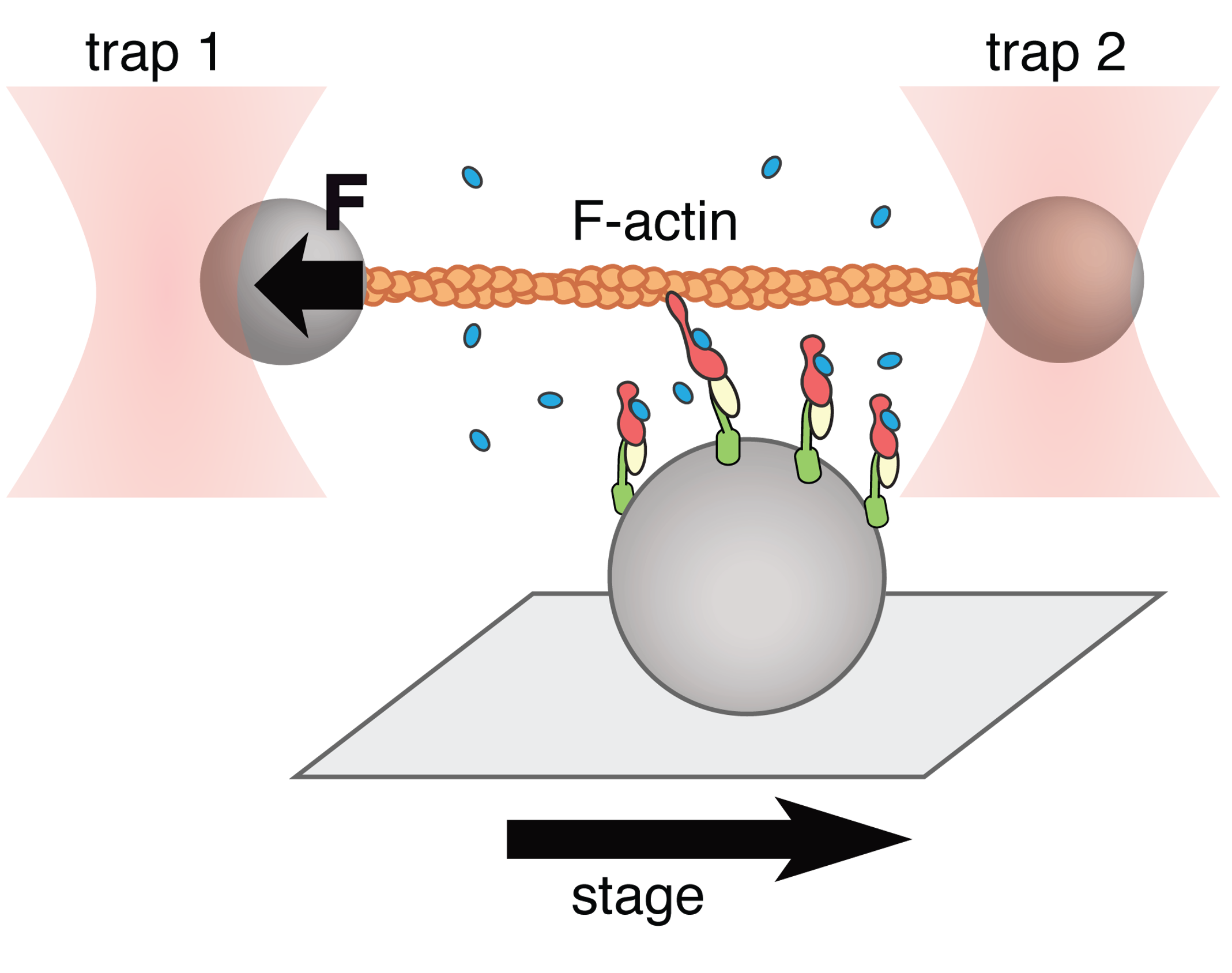
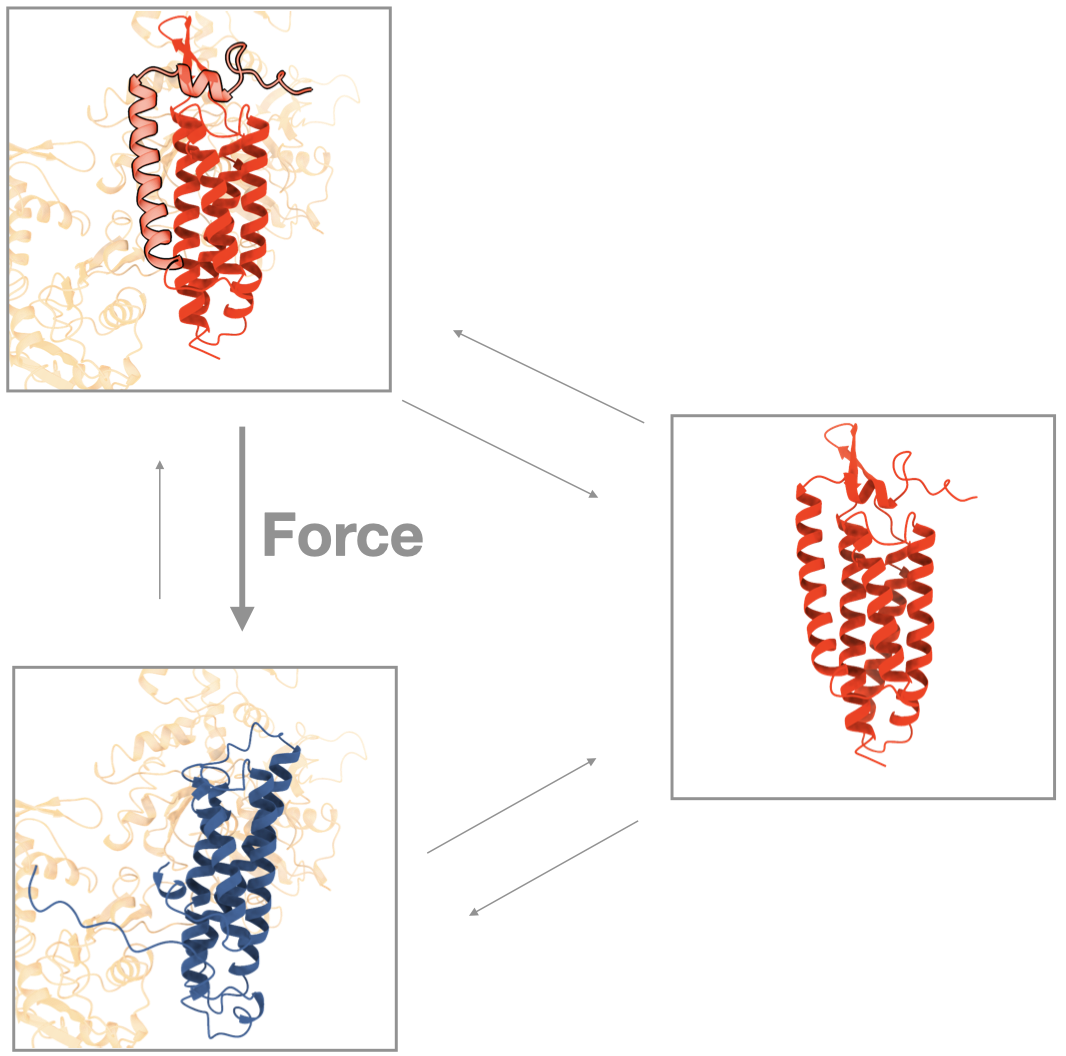
I earned my PhD in 2023 at Stanford, studying force-sensitive cell adhesion proteins with Alex Dunn and Bill Weis. I collaborated on GNN models for protein prediction with Microsoft Research's BioML Team (Kevin Yang, Ava Amini, Alex Lu) and on MD simulation analysis with Ron Dror's group. As an undergraduate at MIT, I studied protein-polymer systems for drug delivery in the Olsen, Langer, and Anderson labs.

CV | Google Scholar | Twitter
amywangsci [at] gmail.com

profile photo
Publications

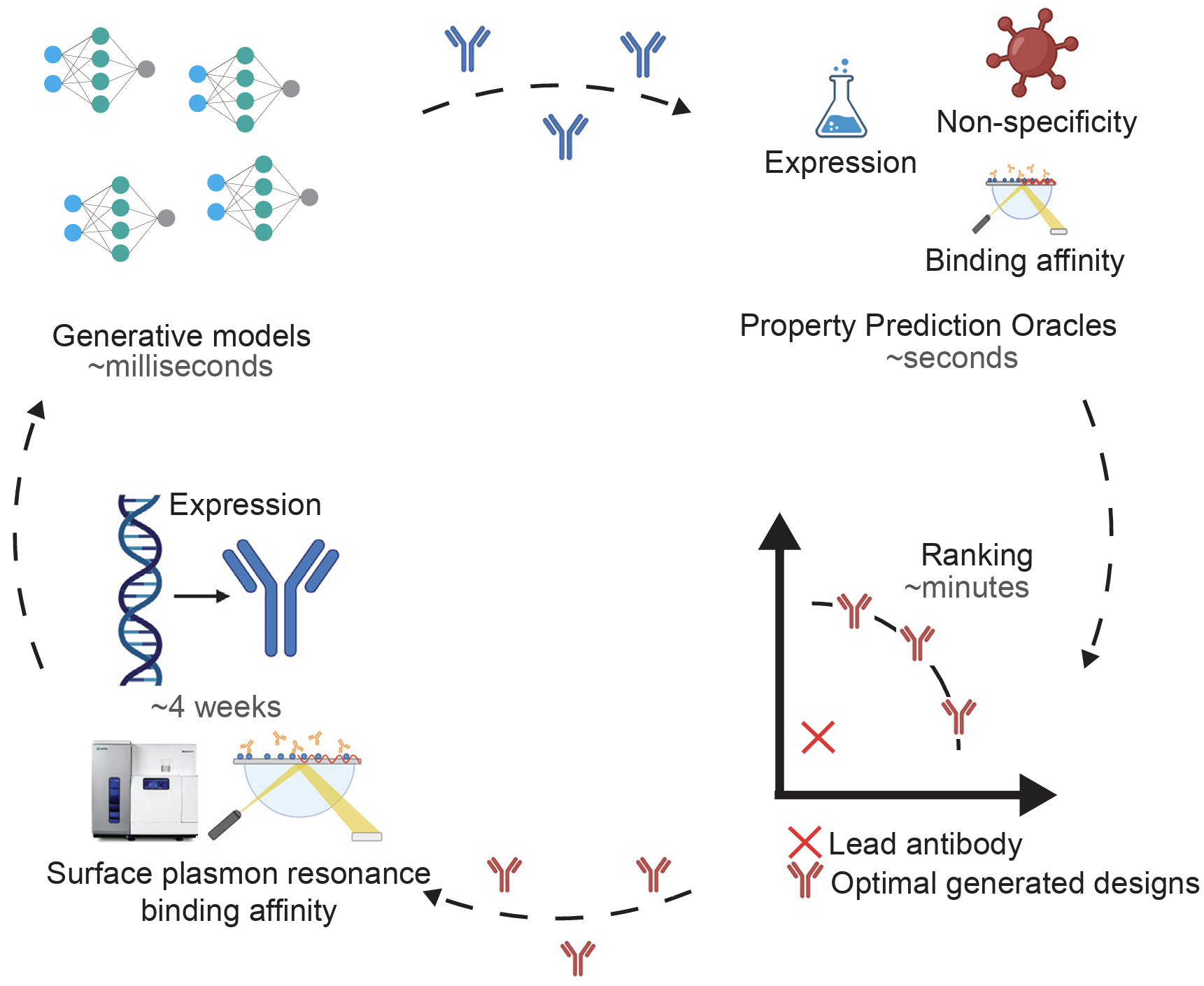
Lab-in-the-loop therapeutic antibody design with deep learning
N.C. Frey, I. Hötzel, S.D. Stanton, R. Kelly, R.G. Alberstein, ..., A. Wang, ..., A.Regev, Y. Wu, K. Cho, R. Bonneau, V. Gligorijević

bioRxiv 2025

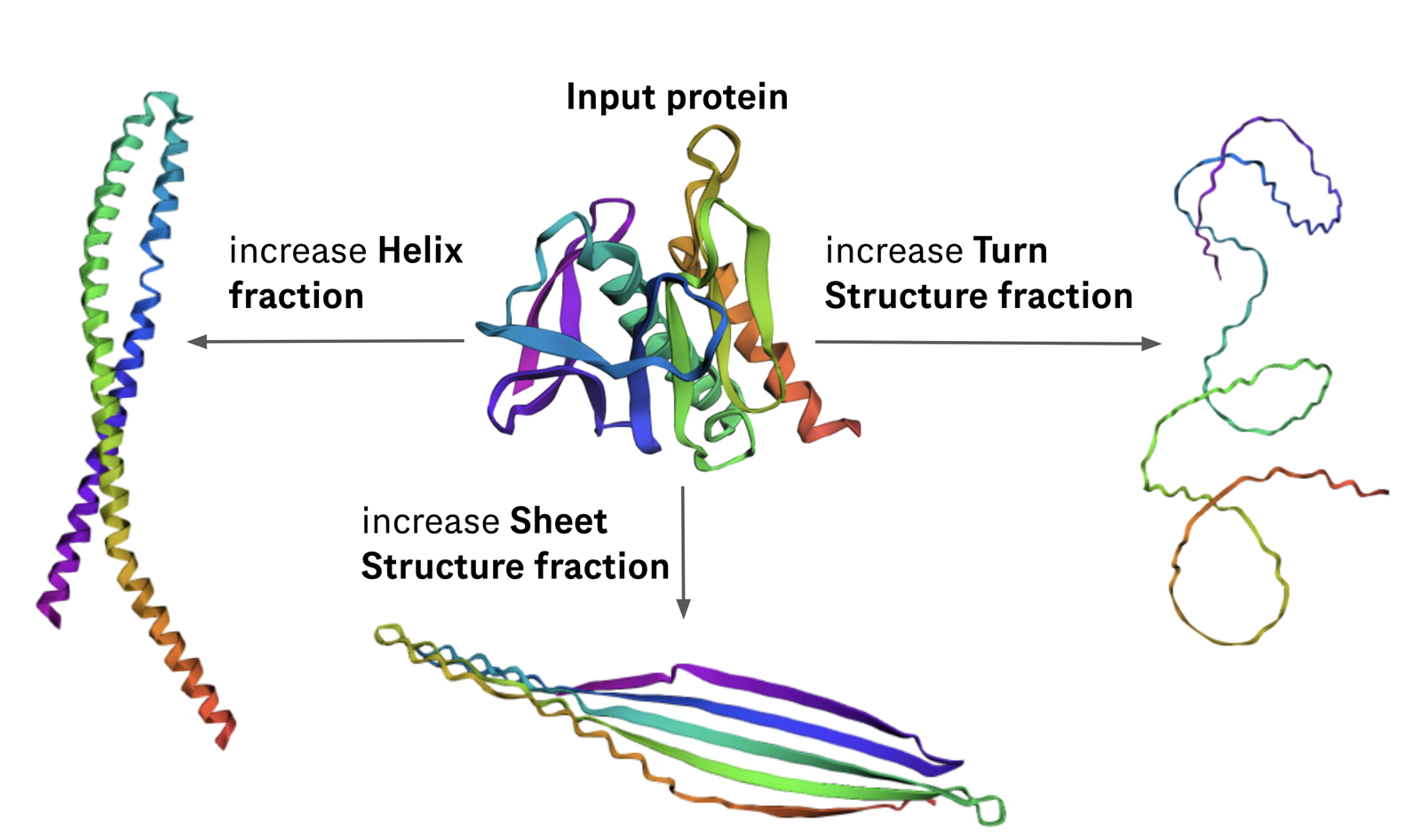
Concept Bottleneck Language Models For Protein Design
A.A. Ismail, T. Oikarinen, A. Wang, J. Adebayo, S.D. Stanton, H.C. Bravo, K. Cho, N.C. Frey

International Conference on Learning Representations (ICLR) 2025

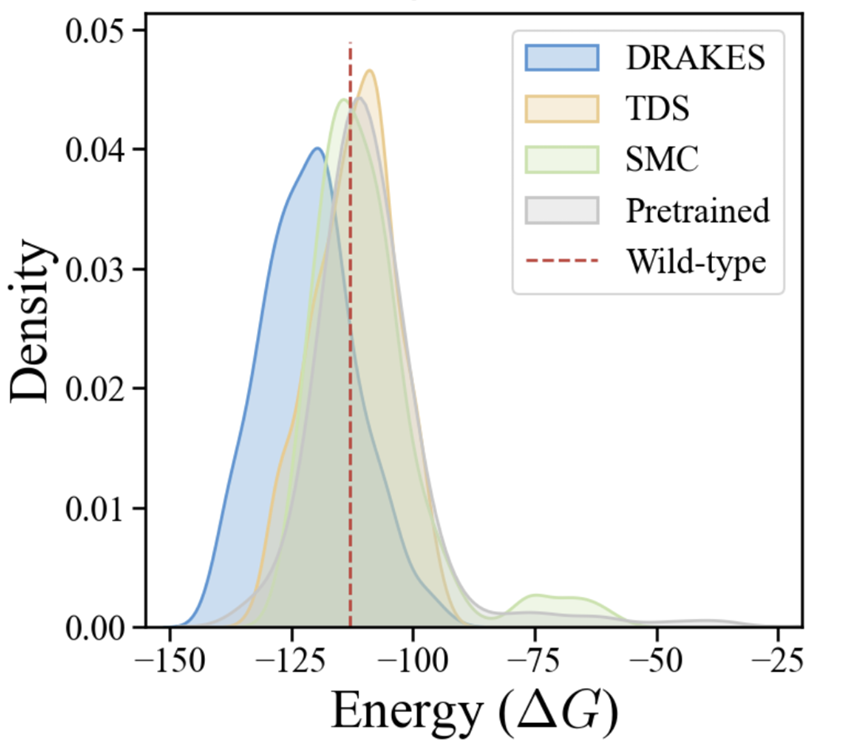
Fine-tuning discrete diffusion models via reward optimization with applications to dna and protein design
C. Wang, M. Uehara, Y. He, A. Wang, A. Lal, T. Jaakola, S. Levine, A. Regev, H. Wang, T. Biancalani

International Conference on Learning Representations (ICLR) 2025

Multi-level force-dependent allosteric enhancement of αE-catenin binding to F-actin by vinculin
N.A. Bax*, A. Wang*, D.L. Huang, S. Pokutta, A.R. Dunn, W.I. Weis

Journal of Molecular Biology 2023 | PDF

Mechanism of the cadherin-catenin F-actin catch bond interaction
A. Wang, A.R. Dunn, W.I. Weis

eLife 2022 | PDF

A retrievable implant for the long-term encapsulation and survival of therapeutic xenogeneic cells
S. Bose, L.R. Volpatti*, D. Thiono*, V. Yesilyurt, C. McGladrigan, Y. Tang, A. Facklam, A. Wang, S. Jhunjhunwala, O. Veiseh, J. Hollister-Lock, C. Bhattacharya, G.C. Weir, D.L. Greiner, R. Langer, D.G. Anderson

Nature Biomedical Engineering 2020 | PDF

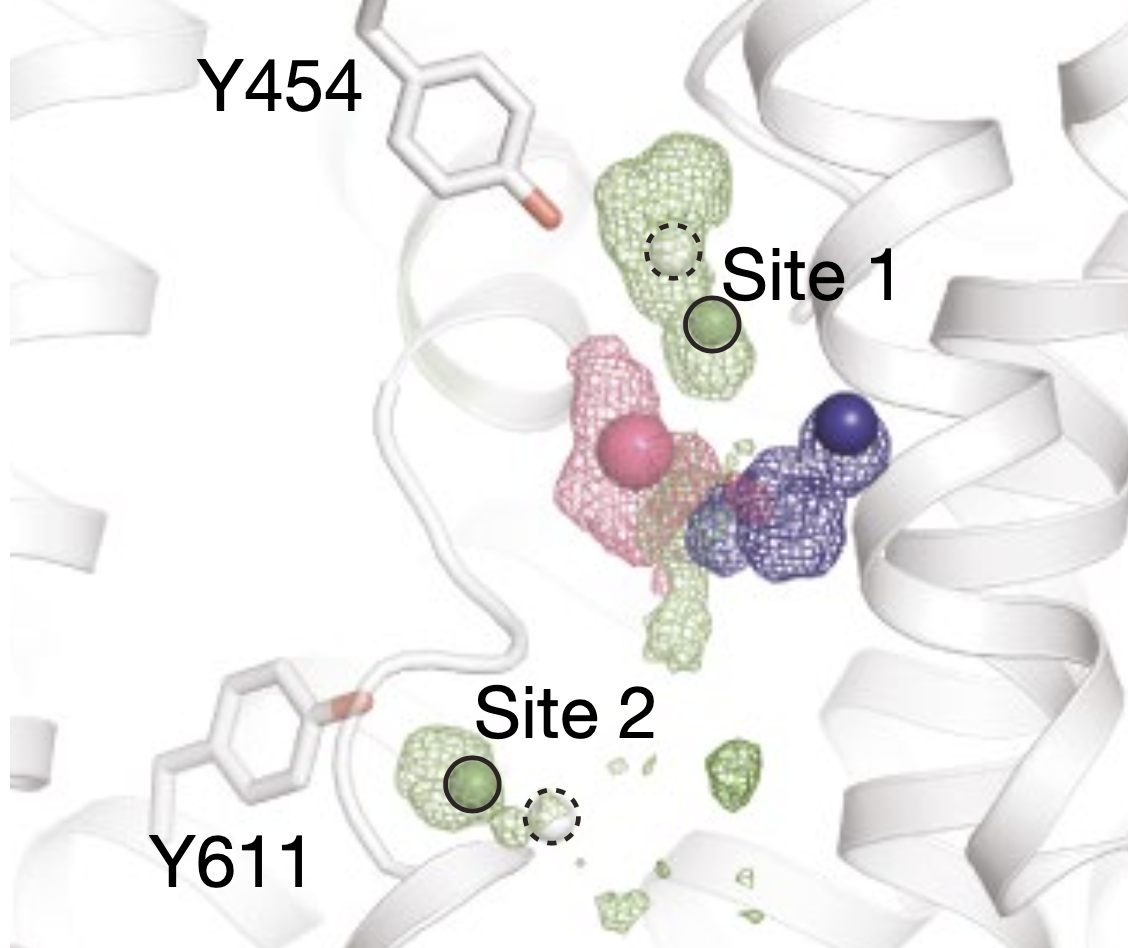
Structure and mechanism of the cation–chloride cotransporter NKCC1
T.A. Chew*, B.J. Orlando*, J. Zhang*, N.R. Latorraca, A. Wang, S.A. Hollingsworth, D.H. Chen, R.O. Dror, M. Liao, L. Feng

Nature 2019 | PDF

Predicting protein–polymer block copolymer self-assembly from protein properties
A. Huang, J.M. Paloni, A. Wang, A.C. Obermeyer, H.V. Sureka, H. Yao, B.D. Olsen

Biomacromolecules 2019 | PDF

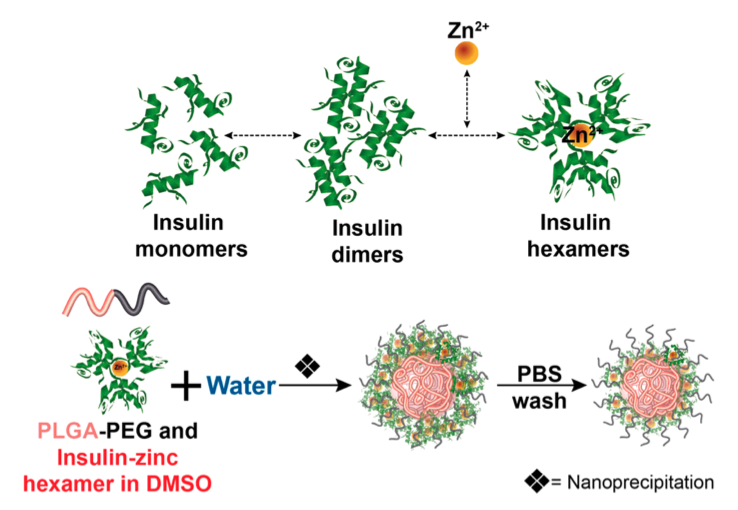
Design of insulin-loaded nanoparticles enabled by multistep control of nanoprecipitation and zinc chelation
S. Chopra, N. Bertrand, J. Lim, A. Wang, O. Farokhzad, R. Karnik

ACS Applied Materials & Interfaces 2017 | PDF
Patent Filed October 7, 2015.

Workshops

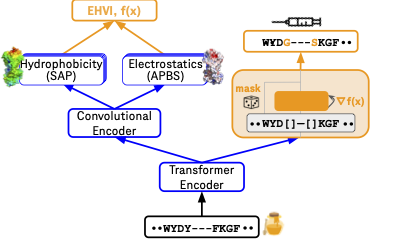
A guided design framework for the optimization of therapeutic-like antibodies
A. Wang, Z. Sang, S.D. Stanton, J.L. Hofmann, [...], N.C. Frey, A.M. Watkins, Franziska SeegerF. Seeger

Generative and Experimental Perspectives for Biomolecular Design, ICLR 2025 | PDF

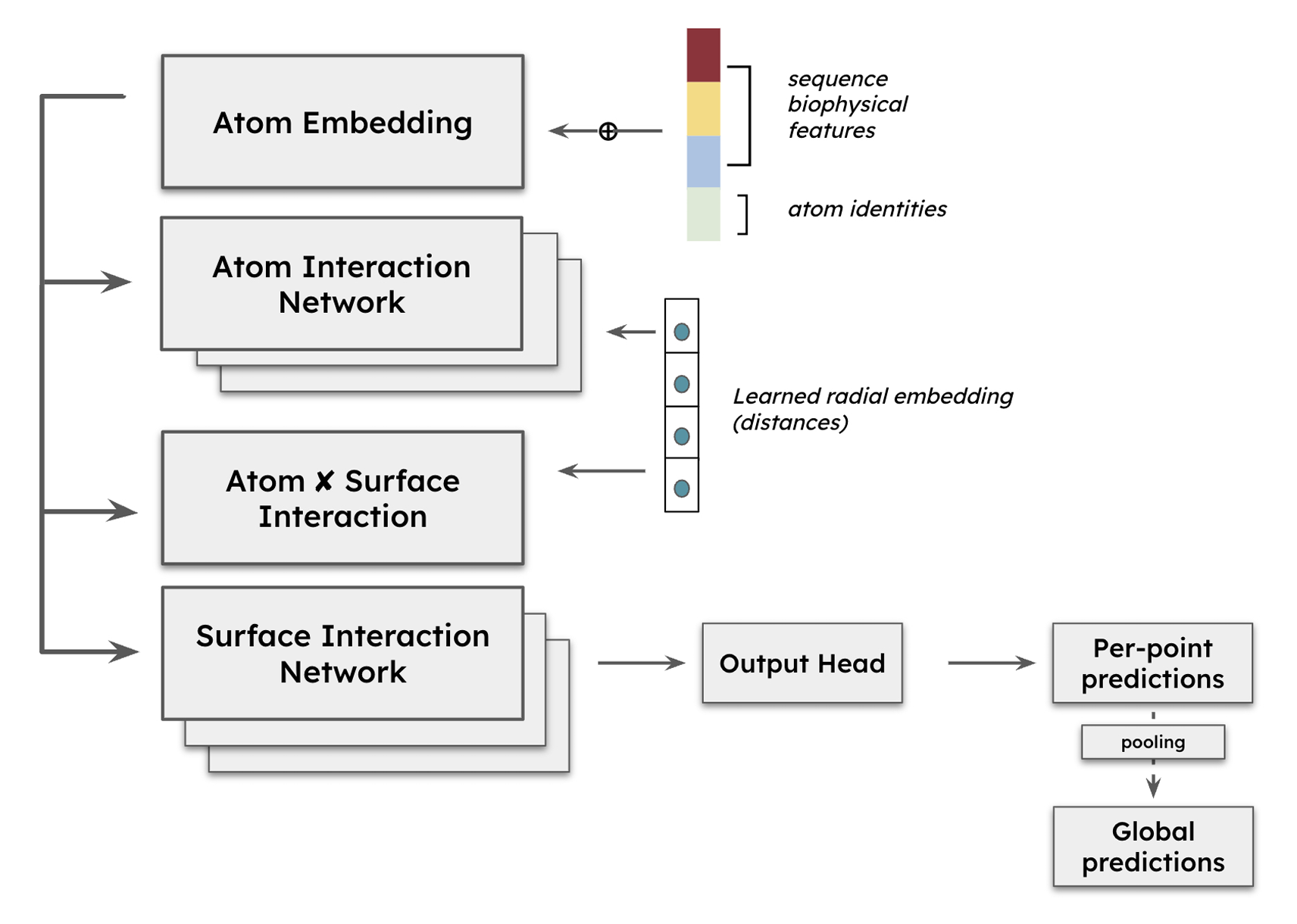
SurfProp: A surface-based property prediction framework for antibody developability and screening
P. Rao, H. Isaacson, J.L. Hofmann, D. Davidson, A. Wang, A.M. Watkins, R. Bonneau, S. Izadi, J.H. Lee, N.C. Frey, F. Seeger

GenBio Workshop, ICLR 2025 | PDF

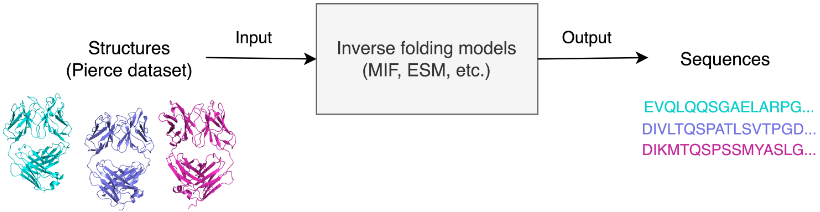
The Effects of Structural Conditioning on Antibody Inverse Folding
Z. Ma, D. Davidson, A. Wang, N. Frey, F. Seeger

Women in ML Workshop, NeurIPS 2023

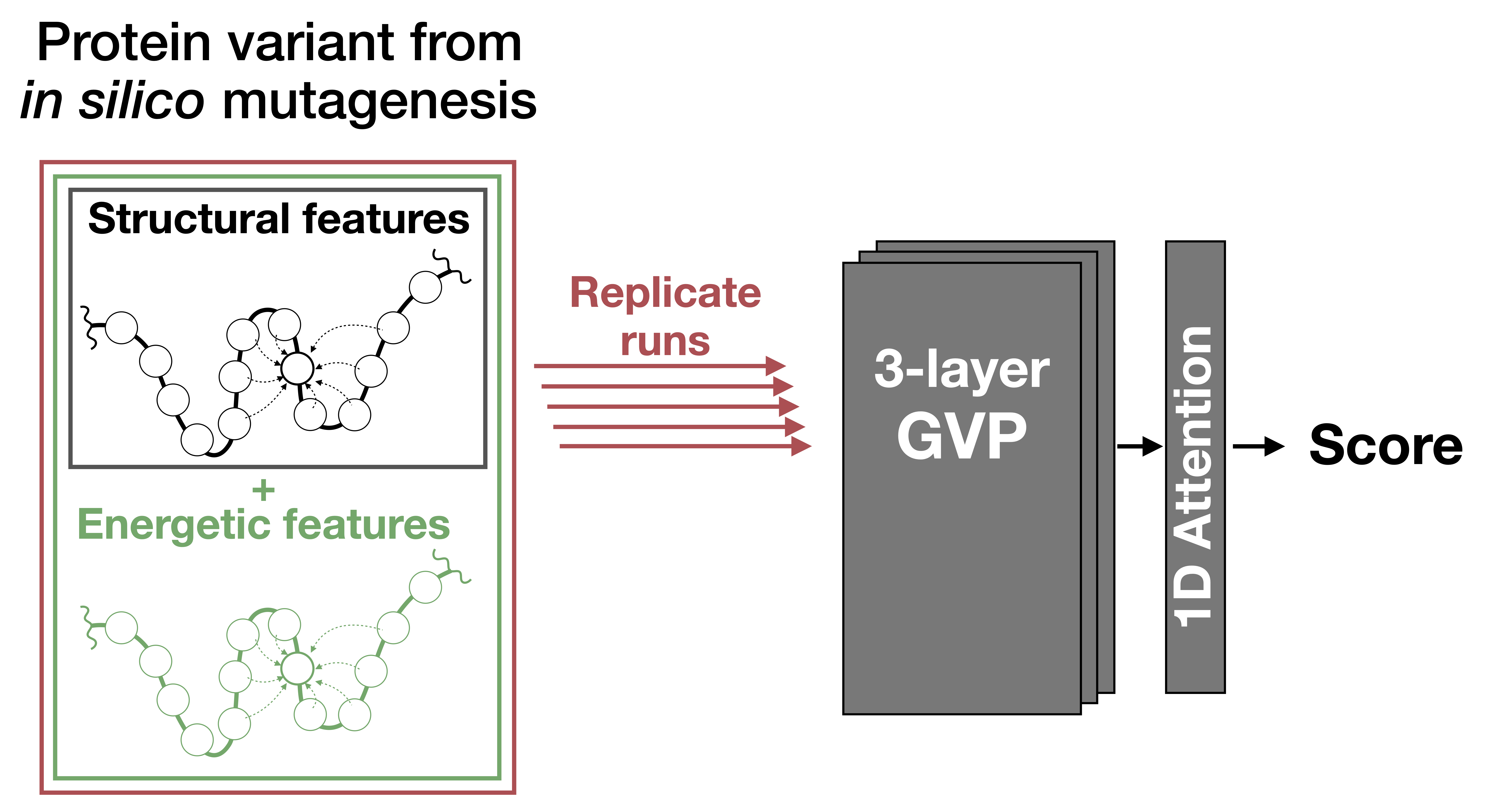
Learning from physics-based features improves protein property prediction
A. Wang, A.X. Lu, A.P. Amini, K.K. Yang

Machine Learning in Structural Biology Workshop, NeurIPS 2022 | PDF | Poster

Awards and Affiliations
Webpage design courtesy of Jon Barron.